


Natural space
The port of Bonifacio is located in the centre of the Bouches de Bonifacio Nature Reserve. The largest nature reserve in mainland France, it extends over 80,000 hectares between Corsica and Sardinia. In a landscape of limestone cliffs and granite chaos, the site is home to 37% of the Mediterranean’s remarkable species (grey shearwater, crested cormorant, grouper, tiliguerta lizard, etc.).
There are coastal and marine environments as well as exceptional landscapes: the Lavezzi, Cerbicale, Bruzzi and Moines archipelagos, the Bonifacio cliffs and the Ventilègne ponds.Conserving the heritage of the Bouches de Bonifacio means conserving natural habitats, restoring and maintaining those that are under threat, but also maintaining the landscape and geological integrity of the site as well as working to conserve or restore populations of threatened species.
The Port of Bonifacio is committed to the protection of its environment and heritage, as demonstrated by the certifications it has received.

Sites of the Conservatoire du littoral
The coastline of the southern tip of Corsica presents a succession of remarkable landscapes that are distinguished by their diversity. In an island whose geological framework is mainly composed of granite, the most singular landscape event is undoubtedly the Bonifacian causse: the limestone plateau resulting from the mineralization of sediments deposited at the bottom of a sea that has long since disappeared, overhangs the windy, reef-strewn strait that separates as much as it unites Corsica and Sardinia.
These areas are alive and fragile, so please respect the regulations and behave in a way that is respectful of the landscape, the flora, the fauna and the tranquillity of the area.
Millennial Sea Caves
Bonifacio’s geology is complex.
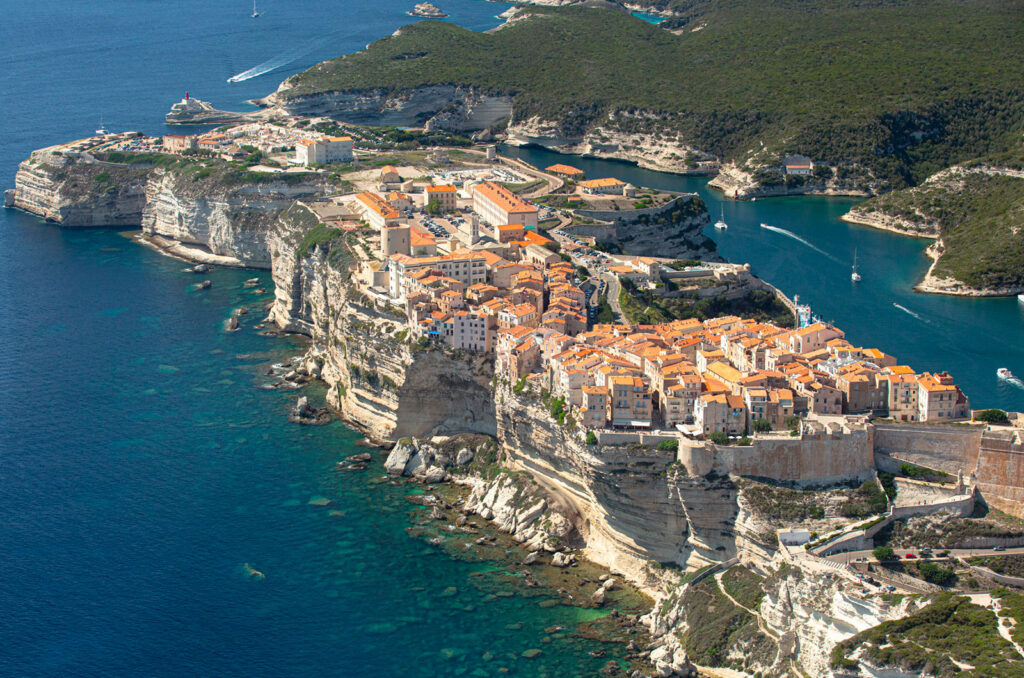
From the sea, Bonifacio’s landscapes can be discovered from a different perspective. The cliffs, coves and rock formations shaped over time create an exceptional natural landscape stretching all the way to the Lavezzi Islands archipelago.
This geological diversity is based on two main types of rock. On one side, a granite bedrock, particularly resistant to the forces of the sea, forms the islands and much of the coastline. On the other, softer limestone has been gradually carved away by waves and time, creating numerous cavities and sea caves.
Among these formations, the Napoleon’s Hat Cave, also known as Saint Anthony’s Cave, is located at the entrance to the channel, near the Corsica’s Rudder. Further along the coast, Sdragonato Cave is recognizable by its natural opening, which resembles the shape of Corsica.
These two sites are subject to prefectural orders issued on July 29, 2022, due to the risk of rockfalls. Prefectural Order No. 2022-239 regulates navigation, anchoring and scuba diving in the vicinity of Saint Anthony’s Cave, while Order No. 2022-240 imposes similar restrictions in and around Sdragonato Cave.


These regulations must be respected to ensure everyone’s safety and protect these fragile natural formations.
Other geological features can also be found along the coastline, such as the Bath of Venus and the circular cave known as The Orca, also called The Jar. They must be discovered in accordance with maritime regulations and the rules protecting these natural areas, without entering restricted zones or damaging these particularly sensitive environments.
Enjoying this exceptional coastline also means helping to preserve it.
Paths of Bonifacio
Do you like walking?
In Bonifacio, you will be served: spectacular strolls along the cliffs, ecological strolls in the middle of the scrubland, strolls along the coastline leading to incomparable creeks and beaches. The paths of Bonifacio are accessible all year round, for young and old, so go for an adventure!
Discover also the walks of the South Corsica through the GR20 in Corsica, one of the most beautiful paths of Europe in the heart of the Mediterranean.
Lavezzi Islands
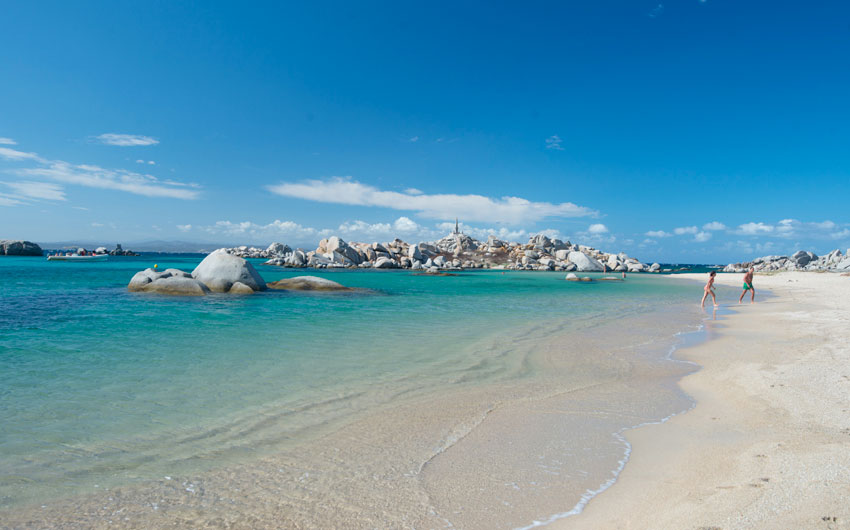
Lavezzu, Cavallo, Ratinu, Piana… are some of the granite islands that make up the Lavezzi archipelago, which has been classified as an Enhanced Protection Zone of the Nature Reserve.
But Bonifacio also has other islets which are not lacking in attractions. Not all are accessible because they are too steep. But their presence in the landscape always makes you dream. Among the 8 islands of the Lavezzi Archipelago, Lavezzu is the one you are most likely to visit. Why? For its turquoise waters, its beaches and creeks, its granite blocks, its wild nature but also because Lavezzu Island is full of history and presents a unique graphic and ecological interest.
Don’t hesitate to follow the paths to discover its 2 cemeteries, its Neolithic rock shelter, its ancient sheepfold, the ruins of the Chapel of Santa Maria, which saw monks from the 10th to the 16th century, its lighthouse, today a base for the agents of the Nature Reserve. Observe sea birds such as the grey shearwater, the crested cormorant or the Audouin’s gull and above all explore the seabed full of life!

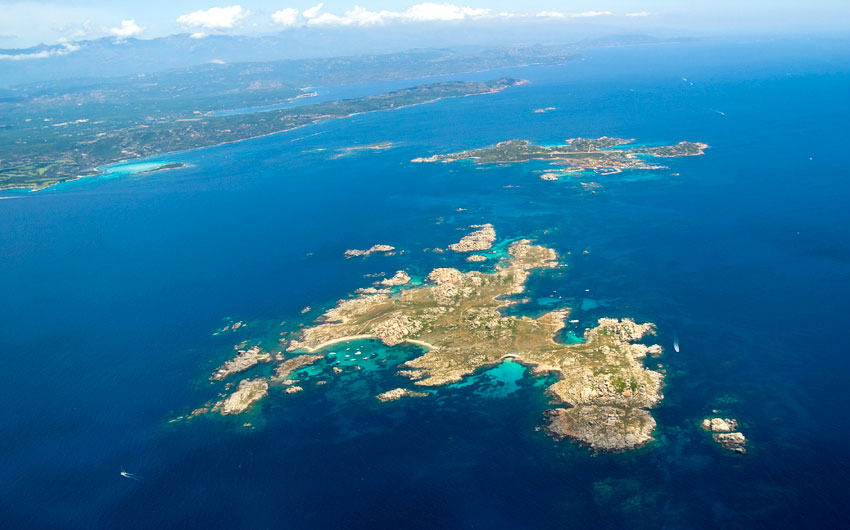
While Cavallo is the only one to be inhabited, Piana has the particularity of being reached on foot by passing on a sandbank from the beach of Piantarella which is opposite. A rare experience!
Anchoring is organised here.